
International Women’s Day and the Plight of Afghan Women Under Taliban Rule
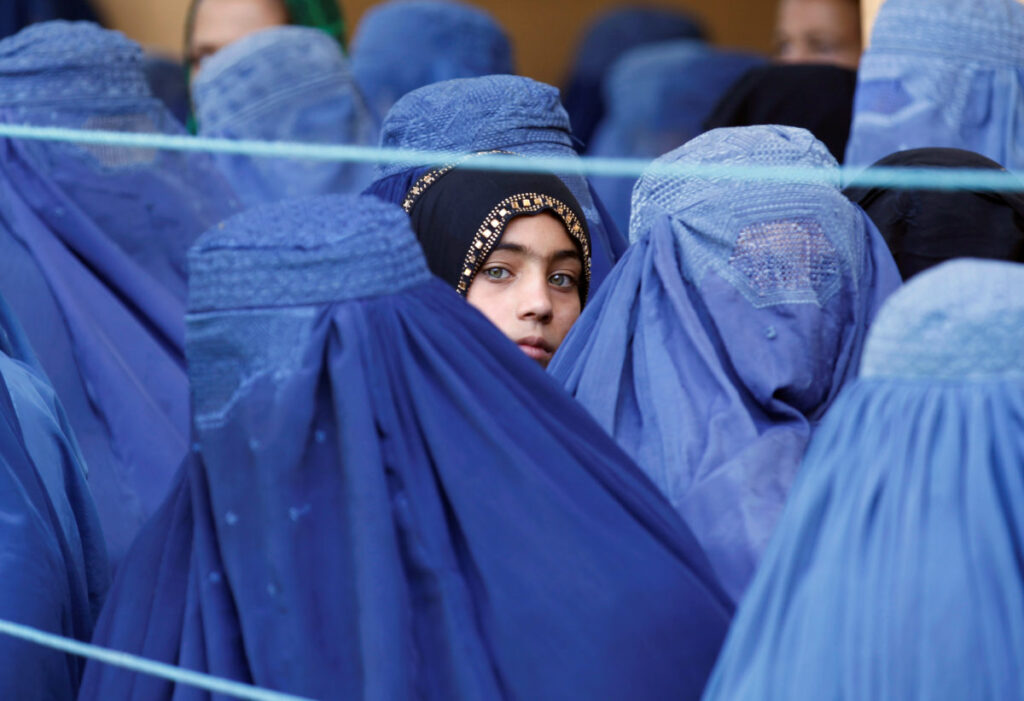
March 8, 2026 Listen to Audio version of this article on Bolaq’s YouTube Channel Introduction Every year on March 8, the world observes International Women’s Day, a global moment dedicated to celebrating women’s achievements and advancing the struggle for gender equality. What began as a movement for labor rights and suffrage more than a century […]
Taliban’s New Law: Another Step toward Cementing a Regime of Terror and Systemic Discrimination
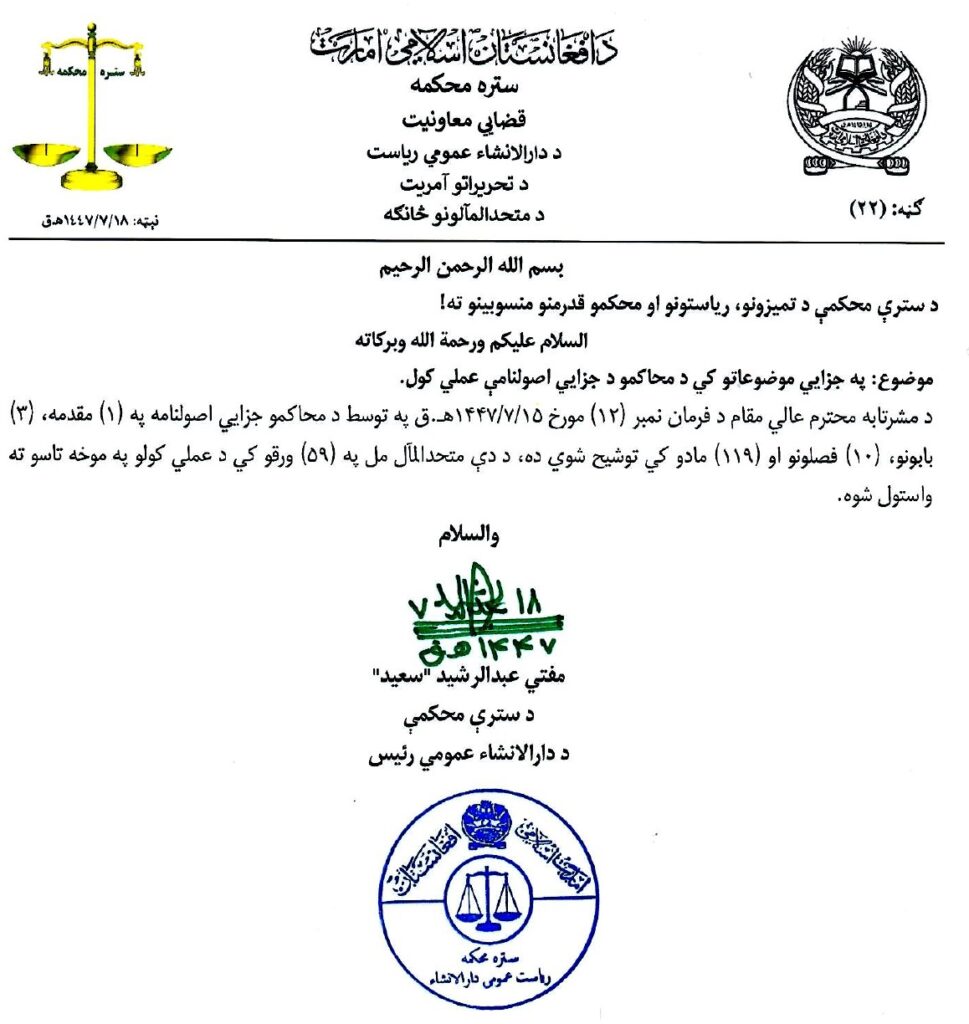
Press Release January 25, 2026 Listen to Audio version of this article on Bolaq’s YouTube Channel The Bolaq Analysts Network (Bolaq), as an independent human rights institution, condemns in the strongest possible terms the Taliban’s issuance of the new “Criminal Court Principles.” The content of this recently ratified document is not a conventional legal […]
Bolaq Analysts Network Supports Establishment of Independent Investigative Mechanism on International Crimes in Afghanistan
October 14, 2025 Bolaq Analysts Network “Bolaq”, an organization dedicated to conducting in-depth research and investigations to uncover truths about Afghanistan’s past and present, proudly supports the establishment of an ongoing independent investigative mechanism on international crimes in Afghanistan. This initiative, recently decided by the United Nations Human Rights Council, marks a significant step towards […]
The Hazara Genocide: A Forgotten Struggle for Survival
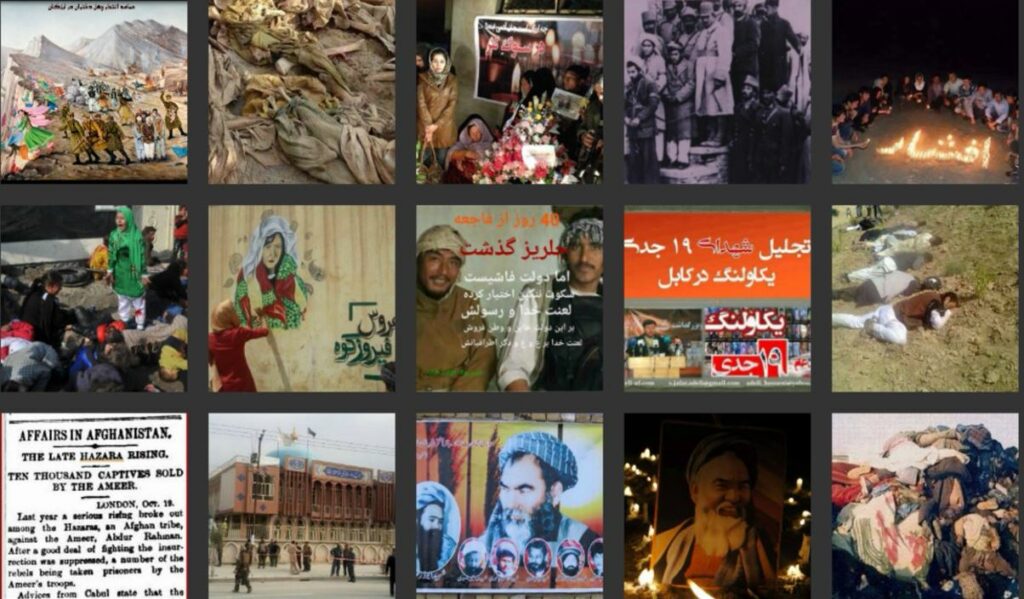
Introduction Listen to Audio version of this article on Bolaq’s YouTube Channel Among the many tragedies of modern and pre-modern history, the plight of the Hazara people stands as one of the least recognized yet most persistent. Often referred to as the “forgotten victims” of ethnic persecution, the Hazara community has endured centuries of systematic […]
Year Four Under the Taliban: What It Has Meant for Afghanistan’s Hazaras
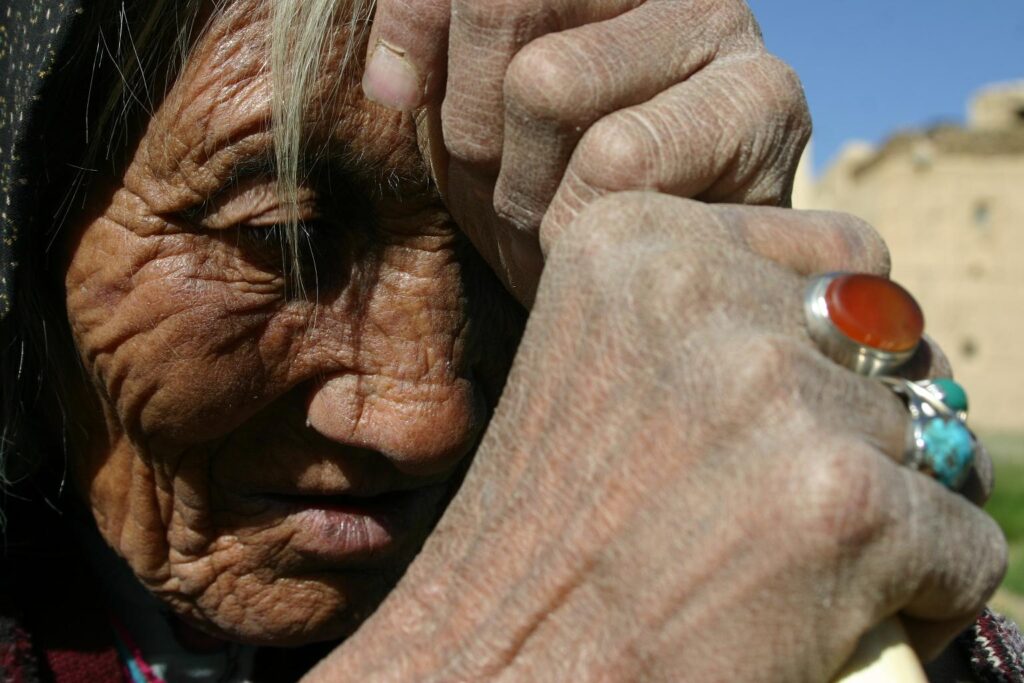
Listen to Audio version of this article on Bolaq’s YouTube Channel On August 15, 2025, Afghanistan entered the fourth year since the Taliban’s return to power. For the country’s Hazara community this period has been marked by a complex mix of insecurity, shrinking civic space, economic freefall, and steadily tightening religious and social controls. The […]
Bolaq Research Report: “Taliban Opposition with Education of Girls.” What do the People Say?
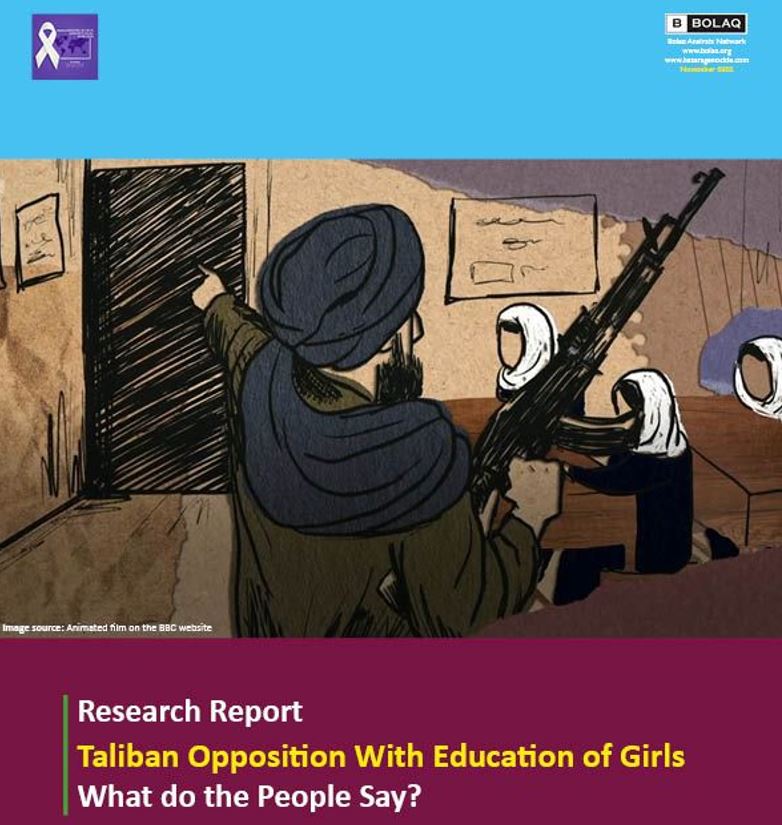
Abstract Women in Afghanistan for many years have faced gender discrimination for different reason under the pretext of Islam. Although violence and discrimination have deep roots in the tribal customs and the unacceptable traditions that the people adhere to, it is the wrong interpretation of Islam that they illogically try to justify. Development of the […]
Hazara Genocide in Pakistan
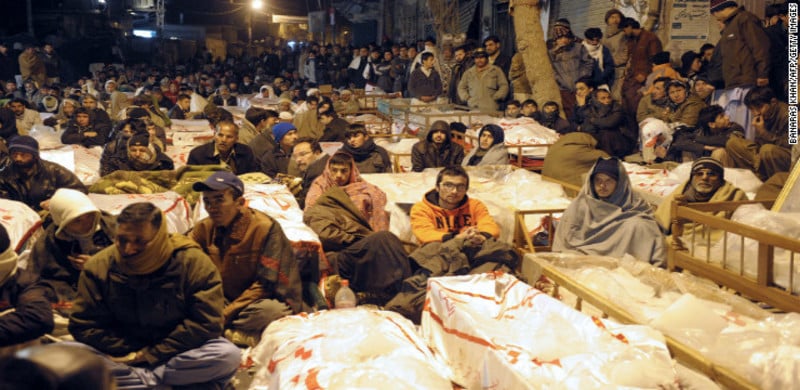
According to 2018 National Commission for Human Rights of Pakistan report, over 2,000 Hazaras have been killed and over 4,000 critically injured in the terrorist attacks. Of the Hazaras leaving Pakistan seeking safety offshore, nearly 500 drowned while migrating to Australia and thousands more compelled to migrate.
Childhood experience of Taliban
“Because We Are Hazara”: When Being a Hazara Never Ceases to Be a Crime in Afghanistan Listen to Audio version of this article on Bolaq’s YouTube Channel The Taliban’s return to power has made Afghanistan a place where all kinds of violence and brutality are not only committed with widespread impunity but are also highly […]
Denying Hazara Female Students: the bringers of change and modernity in Afghanistan
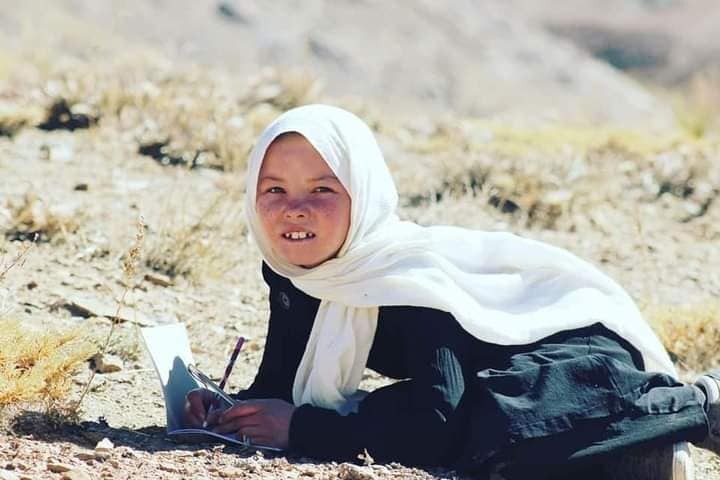
Photographer: Hekmatullah Basseri After closing female businesses and women-led organizations, the Taliban recently banned women from leaving their homes unless necessary, always accompanied by a male chaperon. They are banned from viewing public sports, or walking in public parks. After sending girls back home from schools, and forbidding women to get an education, the Taliban […]
Hazara Genocide in Afghanistan (1892-1901)
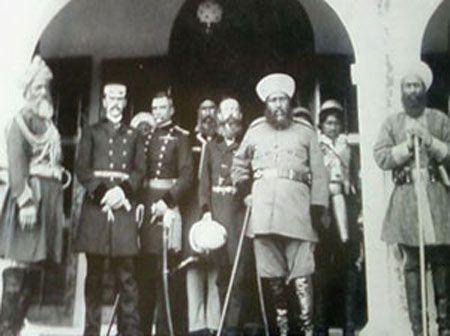
The Hazara nation, now living mostly in Central Afghanistan region known as Hazarajat, faced the worst genocide at the hands of Amir of Kabul, Abdul Rehman Khan (1880-1901) in the late 19th century. Hundreds of thousands of Hazaras were massacred, sold out as slaves to neighboring countries, and forced to migrate to Central Asia, Iran, […]