
The Hazara Genocide: A Forgotten Struggle for Survival
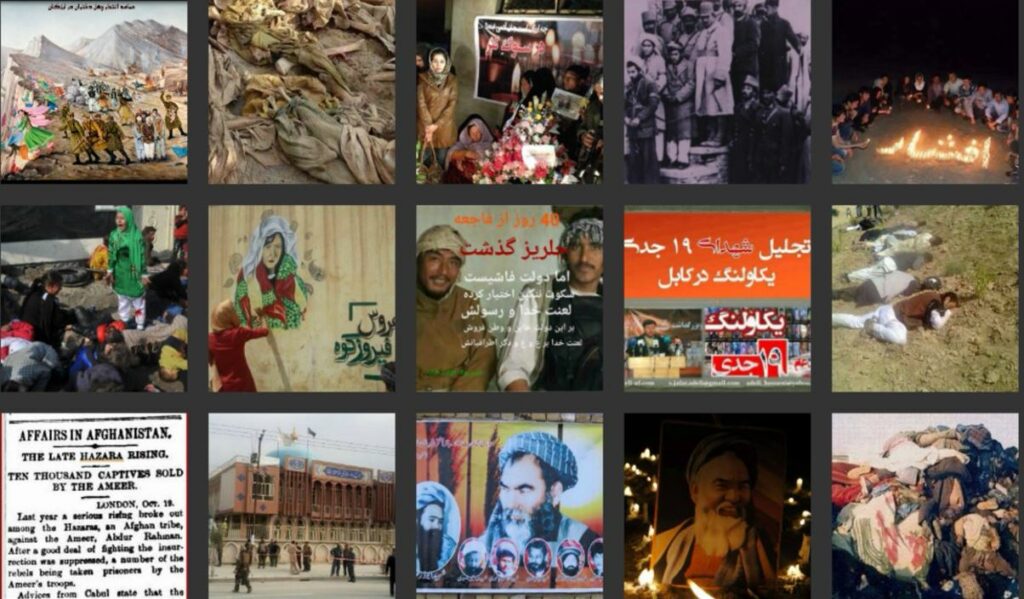
Introduction Listen to Audio version of this article on Bolaq’s YouTube Channel Among the many tragedies of modern and pre-modern history, the plight of the Hazara people stands as one of the least recognized yet most persistent. Often referred to as the “forgotten victims” of ethnic persecution, the Hazara community has endured centuries of systematic […]
The Situation of the Hazaras in the Fourth Year of Taliban Rule
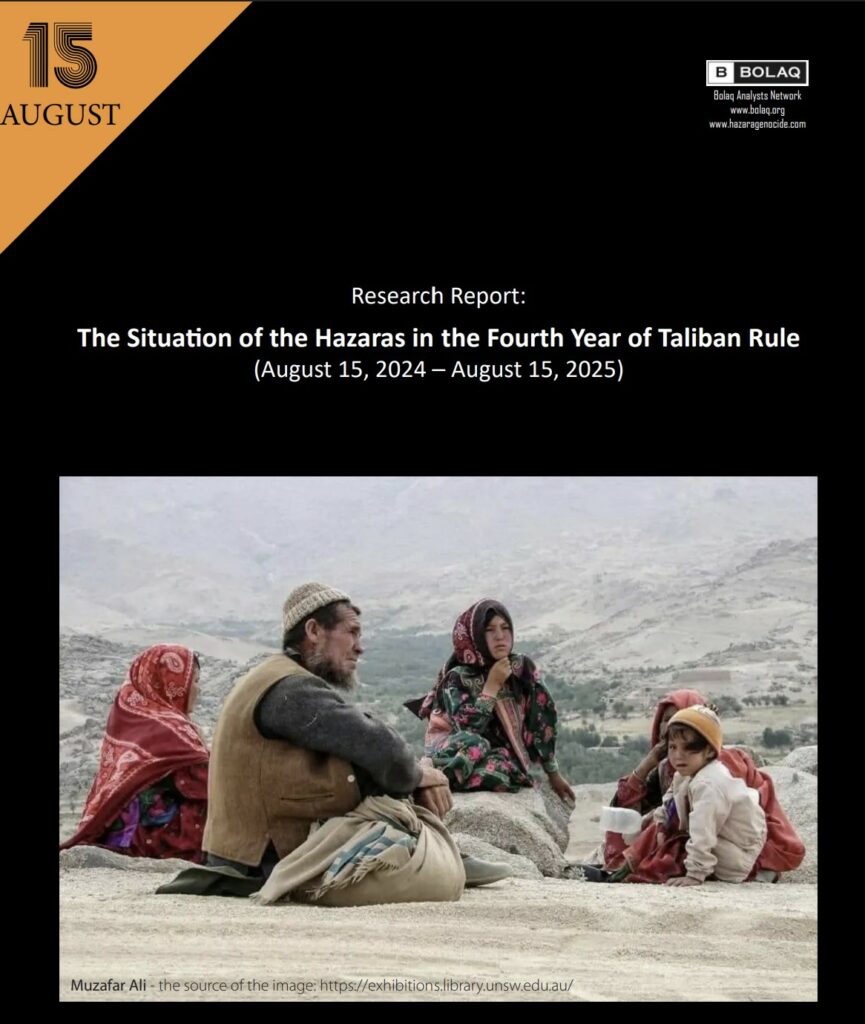
August 15, 2025 Bolaq Analysts Network (BAN) is an independent, non-profit, non-governmental research and advocacy organization that publishes comprehensive and unbiased research on Afghanistan’s various social, political, and economic issues. This organization is registered in the United States. We monitor the situation in Afghanistan and document the conduct of the Taliban visa-vis the people of […]
2024: Hazaras Still at Risk of Genocide and Oppression Under the Taliban Regime
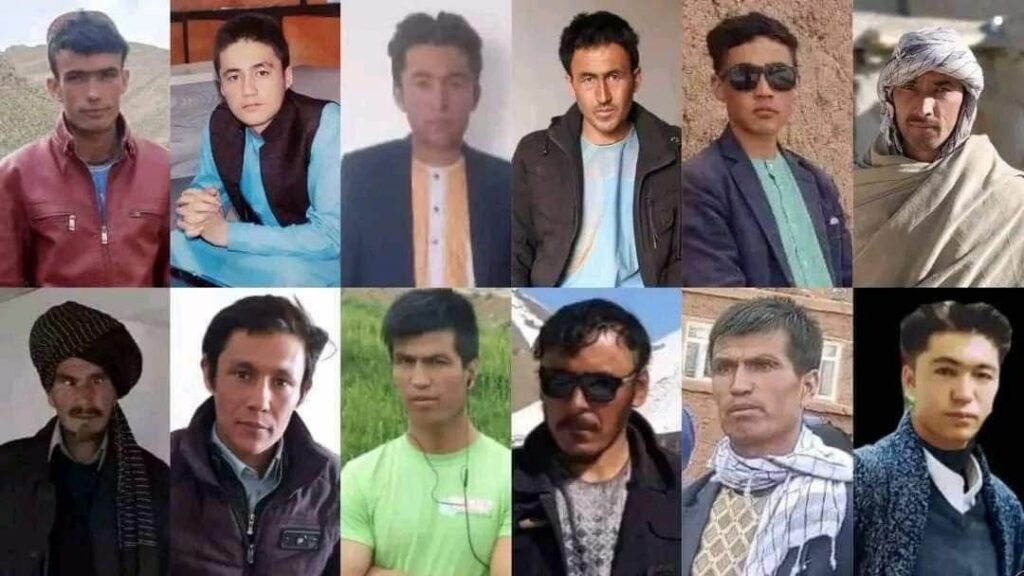
Besmillah Taban[1] Abstract The Hazara community in Afghanistan has faced a long history of persecution, discrimination, and violence, dating back to the time of Abdur Rahman Khan (Amir of Afghanistan from 1880 to his death in 1901) and continuing into the present under the Taliban regime. Despite historical changes in government and legal systems, the […]
September 25, the Day of Remembrance of Hazara Genocide
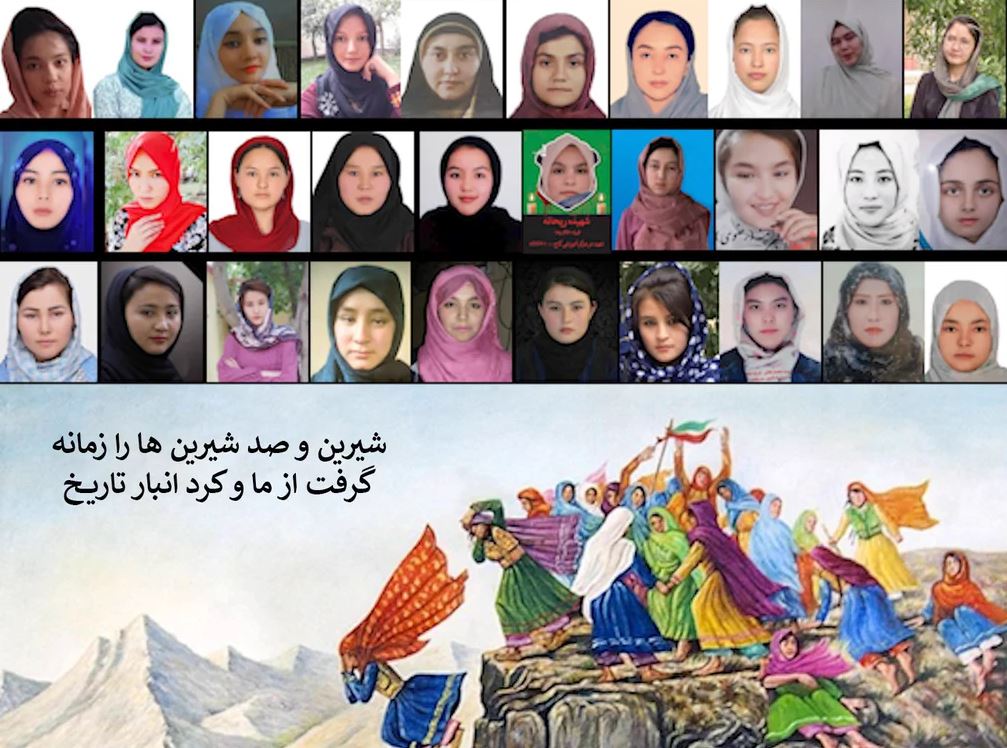
September 25th marks a somber anniversary in Hazara history — a day stained by the horrors of the past. On this fateful day in 1893, Amir Abdul-Rahman’s forces launched a brutal assault on the last bastion of Hazara resistance in Uruzgan, Afghanistan. Men were mercilessly slaughtered, and women were captured, with one notable exception – […]
The Situation of the Hazaras During the Second Year of the Taliban Rule
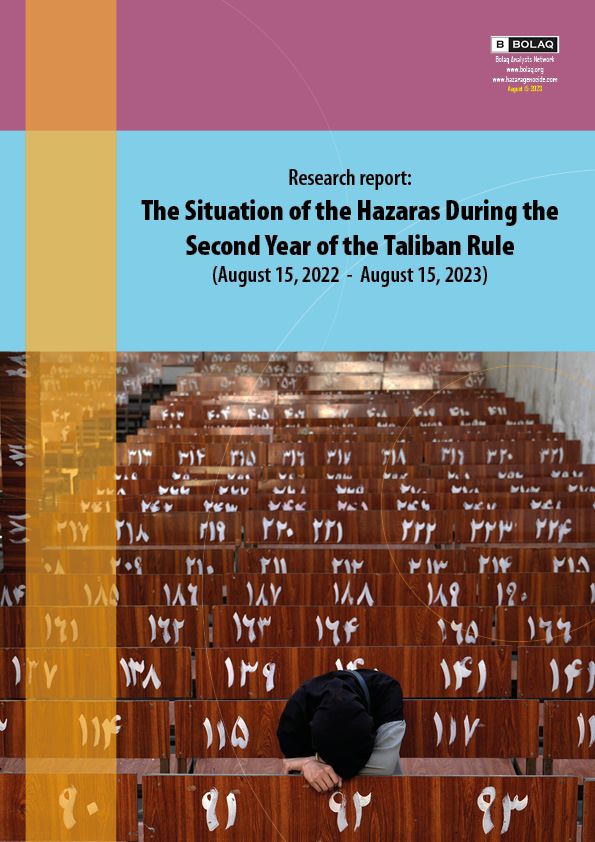
August 15, 2023 Bolaq Analysts Network (BAN) is an independent, non-profit, non-governmental research and advocacy organization that publishes comprehensive and unbiased research on Afghanistan’s various social, political, and economic issues. This organization is registered in the United States. We monitor the situation in Afghanistan and document the conduct of the Taliban visa-vis the people of […]
Hazara Genocide in Pakistan
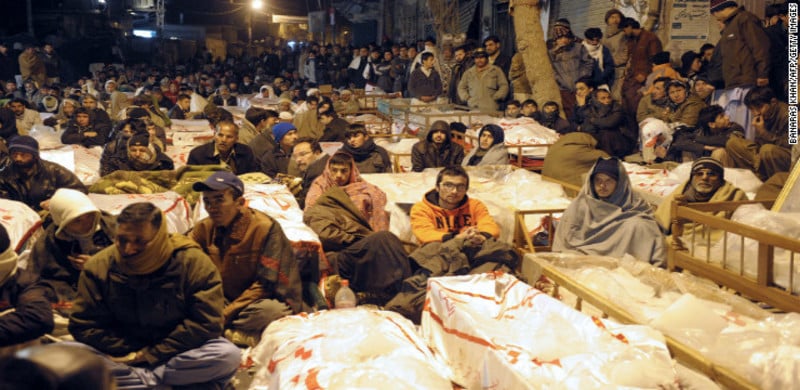
According to 2018 National Commission for Human Rights of Pakistan report, over 2,000 Hazaras have been killed and over 4,000 critically injured in the terrorist attacks. Of the Hazaras leaving Pakistan seeking safety offshore, nearly 500 drowned while migrating to Australia and thousands more compelled to migrate.
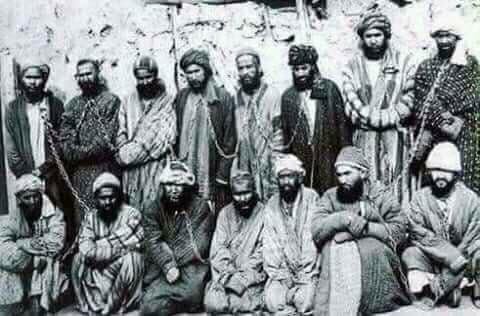
Hazara Genocide in Afghanistan (1892-1901)
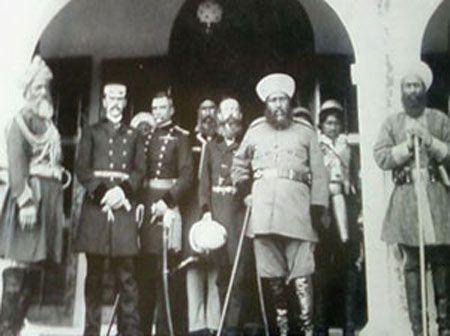
The Hazara nation, now living mostly in Central Afghanistan region known as Hazarajat, faced the worst genocide at the hands of Amir of Kabul, Abdul Rehman Khan (1880-1901) in the late 19th century. Hundreds of thousands of Hazaras were massacred, sold out as slaves to neighboring countries, and forced to migrate to Central Asia, Iran, […]
Hazara Genocide Remembrance and Solidarity Week: 25 September to 1st October
In the aftermath of 2nd Anglo Afghan War (1879 – 1880) and decisive British military victory over Ayub Khan in the battle of Baba Wali just outside southern Afghan city of Kandahar, the British selected Amir Abdur Rehman as new Amir of Afghanistan, who in return not only ratified the Treaty of Gandamak but also […]
Advocating Hazara Cause and Recognition of Hazara Genocide: The lessons we could learn from Armenian US community
On 24th of April, 2021 the US president Joe Biden called Tayyip Erdogan, the Turkish President, and informed him that US government would formally recognize and acknowledge the Armenian killings of 1915 – 23 by Ottoman Empire as genocide. The announcement came more than a century after the mass killings of Armenians by the Ottoman […]
Rising questions after Hazara burial of Mach incident victims
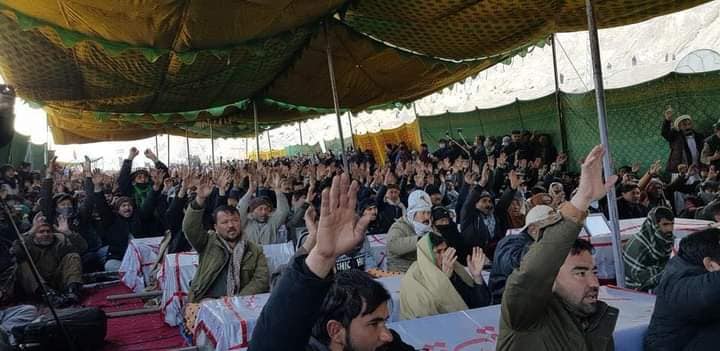
The ten Hazara coalminers slaughtered in Mach last week were buried on Saturday after a six-day long protest but the controversies raised at the local and national level still looms large. At the inception of the New Year, on the midnight between 2nd and 3rd January 2021, ten laborers belonging to the most persecuted Hazara […]